
Bike repair pricing checklist: budget guide 2026
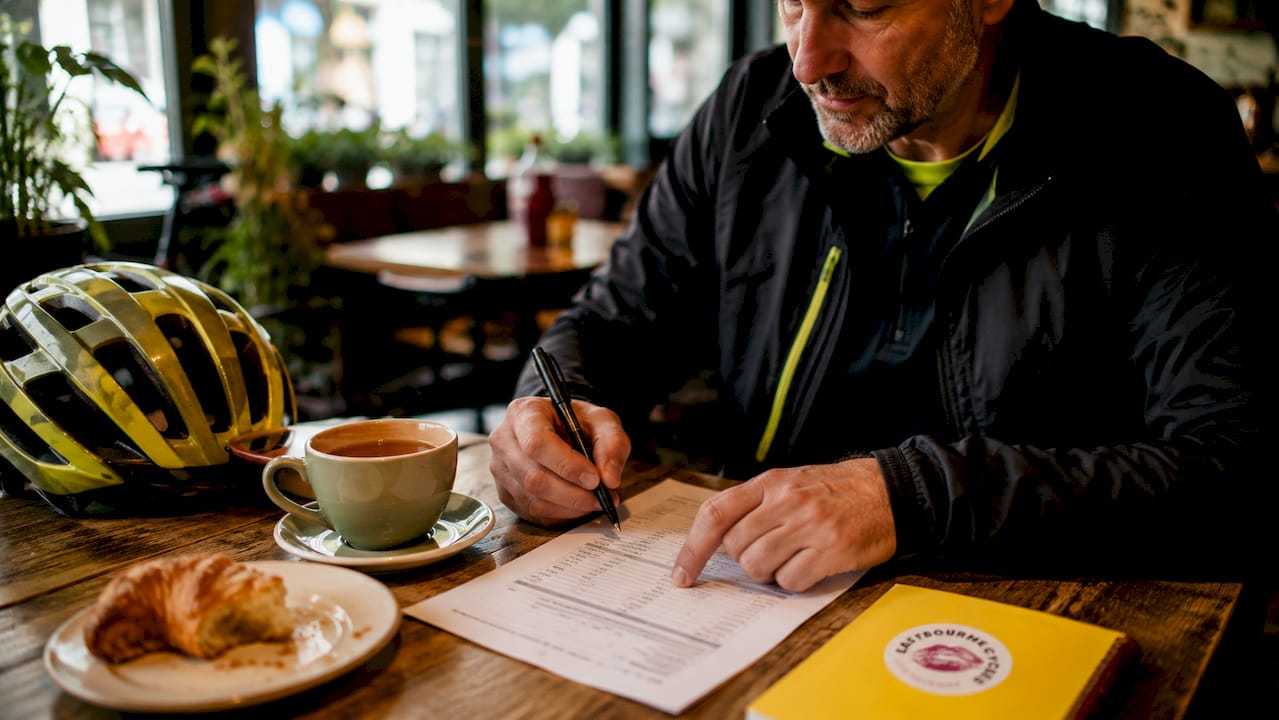
A bike repair pricing checklist is a structured list of common service tasks and their expected costs, used to plan and budget for maintenance before bills arrive. Whether you ride a standard road bike or a Bosch-powered e-bike, knowing what each job typically costs puts you in control. UK independent workshops tier their services from a basic safety check at around £45 up to a master service at £350, with e-bike surcharges applied on top. Parts such as tyres, chains, and brake pads are quoted separately and can add anywhere from £10 to £150 or more to your final bill. This guide gives you the full cost breakdown so you can plan ahead, not react in a panic.
1. The bike repair pricing checklist: core service categories and costs
Understanding the standard service categories is the foundation of any useful bike service cost breakdown guide. Shops organise their work into tiers, and knowing what each tier covers stops you paying for more than you need.
Basic safety check: Covers brake function, tyre pressure, quick-release security, and gear indexing. Suitable before a short trip or as a quick seasonal check.
Advance service: Includes everything in the safety check plus cable tension, wheel truing, bearing inspection, and drivetrain cleaning.
Full service: Adds bottom bracket and headset checks, full drivetrain degreasing, brake bleed if hydraulic, and detailed frame inspection.
Master service: A complete strip of all components, deep clean, full rebuild with fresh grease and new cables throughout.
Puncture repair: Tube replacement, tyre inspection, and refit. Parts cost extra.
Brake pad replacement: Covers removal, fitting, and bedding-in alignment. Hydraulic systems add time and cost.
Cable replacement: Gear and brake cables, including housing where needed.
Chain replacement: Measured for wear using a chain checker tool; replacement chain priced separately.
Tyre replacement: Fitting and inflation; tyre cost is separate and varies widely by type.
One distinction that affects budgeting significantly is the difference between a repair and a service. A repair fixes a specific failure; a service is preventive and comprehensive. Many cyclists confuse the two and either overspend on reactive fixes or underspend on prevention, which costs more in the long run.
Pro Tip: Ask your mechanic to separate labour and parts on every quote. This makes it far easier to compare costs across workshops and spot where savings are possible.
2. How location, bike type, and service level affect pricing
Pricing is not fixed across the country, and understanding why it varies helps you interpret any quote accurately.
Geography plays a direct role. Urban workshops, particularly in London and other major cities, carry higher overheads in rent and staffing. Rural shops can be 20–40% cheaper than their urban counterparts for the same service tier. That gap is real money over a season of regular maintenance.
Bike type is the other major variable. E-bikes carry a labour premium because of their weight, electronic systems, and the specialist knowledge required to work on motors from manufacturers like Bosch, Yamaha, and Shimano. E-bike repairs cost 20–50% more in labour than equivalent work on a standard bike. That premium applies even to basic tasks like puncture repairs, because the wheel removal process can be more involved with a motor or battery in the way.
Parts pricing sits entirely outside these labour figures. Parts costs range from a few £'s to several hundred £'s, or more depending on the component, brand, and availability. A Shimano cassette, for example, costs considerably more than a basic chain, and both are quoted separately from the service fee.
One important caveat: there is no standard industry definition for “tune-up.” The same label at two different shops can mean very different scopes of work. Always ask which specific tasks are included, such as wheel truing, bearing checks, and brake bleeding, before agreeing to any service package.
3. DIY maintenance tasks that cut costs and when to call a professional
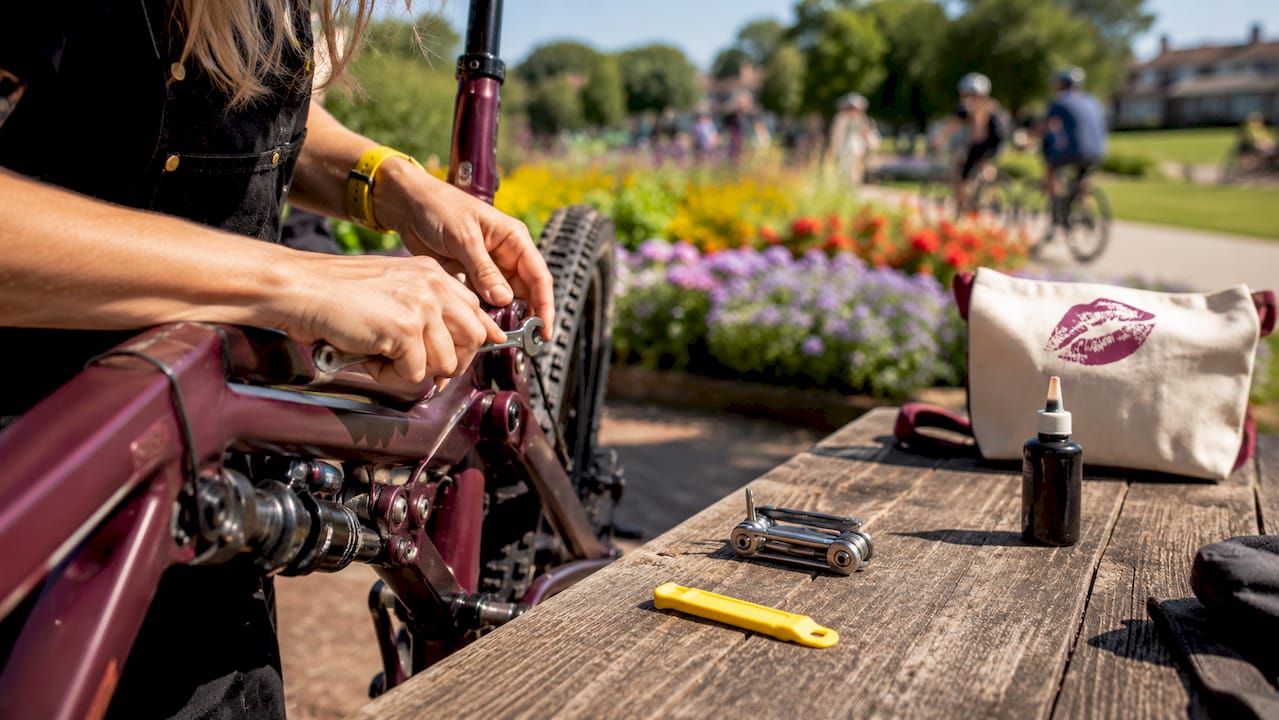
Doing some maintenance yourself is one of the most effective ways to reduce your annual spending. Cyclists can save around $200–$300 yearly by handling routine tasks at home, with a basic DIY toolkit costing as little as $40–$80 and typically paying for itself within the first year.
The tasks most suited to home maintenance are those that require no specialist tools and carry low safety risk if done incorrectly. These include:
Puncture repair: A tyre lever set and patch kit handle most roadside and home repairs.
Chain cleaning and lubrication: A degreaser, chain brush, and quality lubricant extend drivetrain life significantly.
Brake pad inspection and replacement (rim brakes): Straightforward with basic Allen keys and a new set of pads.
Tyre pressure checks: A track pump with a pressure gauge is the single most cost-effective tool you can own.
Gear cable tension adjustment: A barrel adjuster on the derailleur handles most minor indexing issues without tools.
The boundary between DIY and professional work becomes clear when safety-critical systems are involved. Hydraulic brakes lose up to 35% effectiveness if air enters the brake lines. Bleeding hydraulic brakes requires specialist fluid, syringes, and calibration knowledge. Attempting this without training risks brake failure. Similarly, drivetrain overhauls involving bottom bracket removal, cassette fitting, and derailleur alignment are best left to a mechanic unless you have the specific tools and experience.
For e-bike owners, the rule is even stricter. Electronic systems, motor connections, and battery terminals require factory-level diagnostics to service correctly. Incorrect handling can void manufacturer warranties from Bosch or Yamaha and create electrical faults that cost far more to fix than the original service would have.
Pro Tip: Keep a simple maintenance log. Note the date, mileage, and task completed each time you clean or adjust your bike. This record helps you and your mechanic spot patterns and schedule professional work before problems develop.
4. Using a bike repair pricing checklist for seasonal and preventative planning
A bike repair checklist before summer is not just a shopping list. It is a planning tool that spreads your maintenance costs across the year and prevents expensive reactive repairs.
Scheduling works best when tied to usage and conditions rather than fixed calendar dates. A commuter covering 100 miles per week needs more frequent attention than a weekend rider doing 20. That said, most cyclists benefit from at least two professional service visits per year: one in spring before the riding season peaks, and one in autumn before winter storage or wet-weather commuting begins.
A practical seasonal checklist looks like this:
Spring: Full safety check, cable inspection, brake pad assessment, tyre condition check, and lubrication of all pivot points.
Summer: Chain wear measurement, gear indexing check, tyre pressure monitoring, and cleaning after wet rides.
Autumn: Full drivetrain clean, mudguard fitting if needed, light check and replacement, and brake bleed if hydraulic.
Winter: Regular chain lubrication with wet lube, frequent cleaning, and a mid-winter safety check if commuting daily.
Routine cleaning and minor adjustments extend drivetrain life significantly, making regular tune-ups cost-efficient over the long term. A neglected drivetrain wears through cassettes and chainrings faster, turning a £15 chain replacement into a £100 drivetrain overhaul.
Tracking your spending is as useful as tracking your mileage. A simple spreadsheet or even a printed checklist pinned to your workshop wall lets you see at a glance what has been done, what is due, and what you have spent. Eastbournecycles offers a bike assessment and estimate service that gives you a clear picture of your bike’s condition and the work it needs, which makes forward planning much easier.
Understanding which tasks are included in a service package prevents overpaying and helps you tailor your maintenance spending to your bike’s actual needs. A master service every year is overkill for a lightly used leisure bike. An advance service twice a year is often the right balance for a regular commuter.
Key takeaways
A bike repair pricing checklist is the most reliable way to budget for maintenance, avoid surprise costs, and extend the life of your components.
Point | Details |
Know your service tiers | UK workshop pricing runs from £45 for a safety check to £350 for a master service, with parts quoted separately. |
Budget extra for e-bikes | E-bike labour costs run 20–50% higher than standard bikes due to weight and electronic complexity. |
DIY saves money on basics | Routine cleaning, puncture repair, and rim brake pad changes are safe to do at home with a modest toolkit. |
Seasonal planning cuts costs | Two professional service visits per year, in spring and autumn, prevent costly reactive repairs. |
Always request an itemised quote | Ask for a breakdown of labour and parts before work begins to compare costs and avoid overpaying. |
What I’ve learned about getting real value from bike servicing
Cyclists often focus on the headline price of a service and miss the more important question: what is actually included? I have seen riders pay £120 for an “advance service” that amounted to little more than a wipe-down and a gear tweak, and others pay the same price and receive a thorough inspection with wheel truing, cable replacement, and a full drivetrain clean. The label means nothing without the detail behind it.
The most useful thing you can do before booking any service is ask for a written scope of work. A good shop provides a complete itemised quote after inspecting your bike, not before. Any workshop that quotes a fixed price without looking at the bike first is guessing, and you are the one who pays for that guess.
My honest view on DIY versus professional servicing is this: do the basics yourself, consistently, and you will spend far less on professional work over time. But do not let pride or cost-cutting push you into attempting hydraulic brake bleeds or e-bike motor diagnostics without the right training. The safety risk is real, and the repair bill for getting it wrong is always higher than the professional service would have been.
Local mechanics who know your bike and your riding habits are worth their weight. A trusted workshop relationship means honest advice, fair pricing, and a mechanic who flags issues before they become failures. That relationship is part of your maintenance budget too.
— Guy
Eastbournecycles: expert repair and transparent pricing in Eastbourne
Eastbournecycles has been servicing bikes and e-bikes in Eastbourne for over 12 years, with direct relationships with manufacturers including Bosch, Yamaha, and Shimano. That means genuine parts, factory-level diagnostics, and mechanics who understand exactly what your bike needs.
Whether you need a standard service or a full strip and rebuild, Eastbournecycles provides transparent pricing and a clear scope of work before any job begins. The team holds a 4.7-star Google rating built on consistent, honest service. Book your assessment or service appointment at Eastbournecycles and get a clear picture of your bike’s condition and what it will cost to put right.
FAQ
How much does a basic bike service cost in the UK?
A basic safety check costs around £45 at most UK independent workshops, while a standard advance service runs approximately £120. Parts such as cables, brake pads, and tyres are priced separately on top of the labour fee.
Do e-bikes cost more to service than standard bikes?
Yes. E-bike labour costs 20–50% more than equivalent work on a standard bike, due to the added complexity of motors, batteries, and electronic systems. Most workshops apply a fixed e-bike surcharge on top of standard service prices.
What is the difference between a bike repair and a bike service?
A repair is a reactive fix for a specific failure, such as a broken cable or punctured tyre. A service is preventive and covers a thorough inspection and adjustment of the whole bike to stop problems developing.
How often should I have my bike professionally serviced?
Most cyclists benefit from two professional services per year: one in spring and one in autumn. Riders who commute daily or cover high mileage may need more frequent servicing every three to four months.
Can I reduce my bike repair costs by doing some maintenance myself?
Yes. Routine tasks like chain cleaning, puncture repair, and tyre pressure checks are safe to do at home and can save a meaningful amount annually. Leave hydraulic brake bleeding, drivetrain overhauls, and e-bike electronics to a qualified mechanic.
Recommended


Comments